
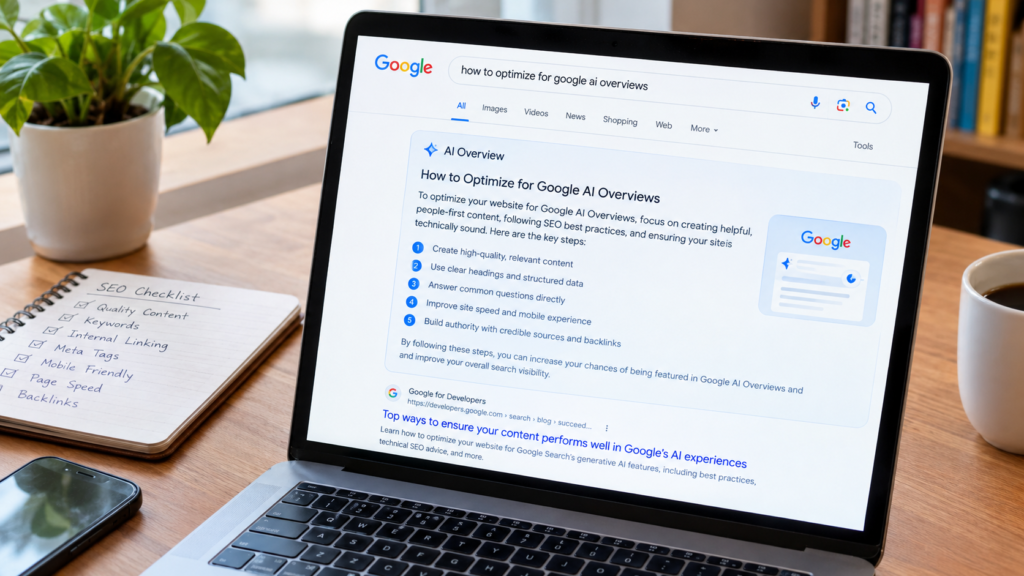
Subtitle: Key Differences, Costs, Benefits, and How to Choose the Right Digital Marketing Strategy for Sustainable Growth
Organic Marketing vs Paid Marketing: Key Differences, Costs and Benefits
-
Introduction
Organic Marketing vs Paid Marketing is an important decision for businesses that want to increase brand awareness, attract potential customers, and generate leads. Both strategies can support business growth, but they differ in cost, speed, reach, and long-term value.
Organic marketing focuses on attracting an audience through search engine optimization (SEO), helpful content, organic social media, and other non-paid promotional activities. Paid marketing uses advertising budgets to promote products or services through platforms such as Google Ads and social media advertising.
The right strategy depends on your business goals, competition, available resources, and how quickly you need results. Many businesses can benefit from combining both approaches instead of relying entirely on one channel.
In this guide, we will compare their differences, costs, benefits, limitations, and practical uses to help you choose a suitable digital marketing strategy.
What Is Organic Marketing?
Organic marketing is the process of attracting and engaging an audience without paying directly for each advertising placement or click. It focuses on creating useful content, improving online visibility, and building relationships with potential customers over time.
Common organic marketing channels include:
-
Search engine optimization (SEO): Improving website content and technical quality so relevant pages can appear in organic search results.
-
Content marketing: Publishing useful blog posts, guides, videos, and educational resources.
-
Organic social media: Sharing posts and engaging with audiences without paying to promote every post.
-
Email marketing: Sending relevant updates to subscribers who have agreed to receive them.
-
Online reputation management: Maintaining accurate business information and responding to genuine customer feedback.
-
Community engagement: Answering questions and contributing useful information to relevant online communities.
For example, a local service business can publish articles that answer common customer questions and improve its service pages for relevant searches. If these pages gain visibility, they may continue attracting potential customers without requiring payment for every visit.
However, organic marketing is not completely free. Content creation, website maintenance, SEO improvements, and staff time all require investment.
What Is Paid Marketing?
Paid marketing involves paying for advertising placements or sponsored promotion to reach a selected audience. Depending on the platform and campaign, businesses may pay for clicks, impressions, leads, or other advertising outcomes.
Common paid marketing channels include:
-
Google Ads: Reaching potential customers through paid search advertisements and other advertising formats.
-
Social media advertising: Promoting products and services through paid campaigns on social platforms.
-
Display advertising: Showing visual advertisements across participating websites and applications.
-
Video advertising: Promoting products or services through paid video placements.
-
Sponsored content: Paying for promotional placement through relevant publishers or creators.
For example, a business launching a new service can run a targeted advertising campaign that directs potential customers to a dedicated landing page. This can generate visibility soon after the campaign is approved and launched.
However, paid advertising does not guarantee leads or sales. Results depend on audience targeting, campaign quality, the offer, landing-page experience, and budget management.
Organic Marketing vs Paid Marketing: Key Differences
Factor Organic marketing Paid marketing Main investment Content, expertise, time, and optimisation Advertising budget and campaign management Speed Usually builds gradually Can generate visibility soon after launch Traffic duration Useful content may attract visitors over time Paid visibility generally declines when campaigns stop Audience reach Depends on search visibility, content, followers, and sharing Depends on budget, targeting, competition, and platform delivery Trust building Develops through helpful information and consistent engagement Introduces a brand to audiences but still requires credibility Measurement Organic clicks, engagement, leads, and conversions Impressions, clicks, cost per lead, and conversions Best suited for Long-term visibility and audience development Time-sensitive promotions, testing, and faster reach Neither approach guarantees success. Organic content can struggle to gain visibility, while paid campaigns can waste money when they are poorly planned.
The best choice depends on your business objective, target audience, budget, and ability to measure results.
Benefits of Organic Marketing
1. Builds Long-Term Search Visibility
Search engine optimisation helps search engines understand website pages and helps potential customers discover relevant information.
Useful articles, well-structured service pages, descriptive headings, internal links, and sound technical SEO can support organic visibility.
Unlike paid advertisements, organic search listings do not require payment for each click. However, rankings depend on many factors, competition can be strong, and specific positions cannot be guaranteed.
Businesses should focus on answering real customer questions rather than repeating keywords unnecessarily.
For guidance, read Google’s SEO Starter Guide.
2. Supports Brand Credibility
Customers often research products and services before making a decision. They may compare options, read reviews, and look for clear explanations of how a business can help them.
A website that provides accurate information, useful guidance, and transparent service details can help visitors make informed decisions.
Credibility comes from the quality of the information and customer experience, not simply from publishing a large number of articles.
3. Creates Reusable Marketing Assets
A useful blog post, instructional video, or detailed service page can continue helping potential customers after its publication.
Businesses can also repurpose existing content for newsletters, social media posts, and other marketing channels.
Content may need updating, promotion, and improvement to remain relevant. Organic visibility is not automatic or permanent.
4. Helps Businesses Understand Customer Needs
Search queries, customer questions, social media discussions, and website engagement can reveal what people want to know before choosing a product or service.
Businesses can use these insights to improve their website content, answer common objections, and develop more relevant marketing messages.
Limitations of Organic Marketing
Organic marketing requires patience and consistent effort. A newly published page may take time to be discovered, indexed, and shown prominently in search results.
Common challenges include:
-
Competition from established websites.
-
The time required to create useful content.
-
Ongoing website maintenance and optimisation.
-
Changes in search and social platform algorithms.
-
Difficulty gaining visibility for competitive topics.
-
The need to measure performance and update outdated information.
If your business needs enquiries within a short timeframe, relying exclusively on organic marketing may not meet your immediate objectives.
Benefits of Paid Marketing
1. Faster Campaign Visibility
Paid advertising can help businesses reach selected audiences soon after a campaign is launched and approved.
It can be useful for promoting a new product, advertising a limited-time offer, filling registrations for an event, or introducing a new service.
However, faster visibility does not automatically mean profitable results. Campaigns need clear goals, appropriate targeting, and reliable conversion tracking.
2. More Controlled Audience Targeting
Advertising platforms offer options for reaching audiences based on factors such as location, search intent, interests, and campaign settings.
For example, a local business can configure a campaign to focus on the geographical areas it serves.
Targeting should reflect the actual audience and service area. Narrow targeting is not always better if it prevents the campaign from reaching enough suitable prospects.
3. Helps Test Offers and Marketing Messages
Paid campaigns can help businesses compare different headlines, advertisements, offers, and landing pages.
A business might test two messages to determine which generates more relevant enquiries. These insights can inform future advertising campaigns and organic content.
Testing requires sufficient data and a fair comparison. A small number of clicks may not provide enough evidence to make a reliable decision.
4. Makes Campaign Costs Easier to Monitor
Paid campaigns can be measured using metrics such as cost per click, cost per lead, conversion rate, and return on ad spend when reliable revenue data is available.
These metrics help businesses identify whether campaigns are meeting their objectives and where improvements may be necessary.
Limitations of Paid Marketing
Paid marketing requires ongoing budget management. Advertising costs can vary, particularly in competitive markets, and some clicks may not result in meaningful business outcomes.
Common challenges include:
-
Spending without a clear conversion goal.
-
Reaching people who are unlikely to need the offer.
-
Sending visitors to a confusing landing page.
-
Measuring clicks instead of qualified leads or sales.
-
Depending entirely on advertising for customer acquisition.
-
Making decisions before enough reliable data is available.
Paid campaigns can generate traffic quickly, but they cannot compensate for an unclear offer, poor customer service, or a website that makes enquiries difficult.
Which Strategy Is Right for Your Business?
The right approach depends on your goals, resources, and current marketing position.
Choose Organic Marketing When:
-
You want to build long-term visibility through search engines.
-
Your customers research options before making decisions.
-
You can consistently create useful content.
-
You want to develop brand awareness and online credibility.
-
You can invest in sustainable growth rather than relying only on immediate results.
For example, a local service provider can publish helpful guides, improve service pages, and develop informative website content to attract relevant visitors over time.
Choose Paid Marketing When:
-
You need to promote a time-sensitive offer.
-
You are launching a product or service.
-
You want to test a specific audience or marketing message.
-
You have a defined conversion goal and an affordable advertising budget.
-
You need faster visibility while building your organic presence.
For example, a business promoting a workshop may use paid advertising to reach suitable audiences before registration closes.
Use Both When:
-
You need short-term promotion and long-term visibility.
-
You have useful website content that can support advertising campaigns.
-
You want to test messages through advertisements and apply the findings to organic content.
-
You want to diversify your sources of website traffic and enquiries.
A combined strategy can be useful for businesses with sufficient resources to manage both channels. The balance should depend on performance and business priorities rather than a fixed budget split.
How to Combine Organic and Paid Marketing Effectively
Organic and paid marketing can support different stages of the customer journey.
Step 1: Build a Strong Website Foundation
Before increasing traffic, make sure your website explains your offer clearly, works on mobile devices, loads reliably, and provides a straightforward way for visitors to contact you.
Both organic and paid visitors benefit from a helpful website experience.
Step 2: Create Content Around Customer Questions
Identify the questions customers ask before choosing a product or service. Develop helpful blog articles, FAQs, comparison pages, and detailed service descriptions.
These resources can support SEO and provide relevant destinations for advertising campaigns.
Step 3: Test Your Offer With a Controlled Paid Campaign
When appropriate, use a carefully planned campaign to test audience response, headlines, and landing-page messaging.
Set a spending limit in advance and check that conversion tracking is working correctly before making significant budget decisions.
Step 4: Learn From Qualified Leads
Look beyond the number of clicks and enquiries. Review whether leads match your target audience, ask about relevant services, and progress towards becoming customers.
Use these insights to improve advertising, website content, and the sales process.
Step 5: Measure Performance Across Channels
Choose metrics that reflect your business objectives.
Metric What it measures Organic search clicks Visits from unpaid search listings Paid clicks Visits generated by advertisements Qualified leads Enquiries that match your business criteria Conversion rate The proportion of users completing a defined action Cost per qualified lead Marketing cost per suitable lead Customer acquisition cost Cost associated with acquiring a customer Return on ad spend Revenue attributed to advertising relative to advertising spend, when measured reliably Do not compare channels using traffic volume alone. A channel that generates fewer visitors may still be more valuable if it produces more qualified leads or customers.
Practical Example: A Local Digital Marketing Business
Imagine a digital marketing agency that wants to attract more small-business clients.
Its organic strategy could include publishing SEO guides, improving service pages, sharing useful social media content, and maintaining accurate business information.
At the same time, the agency could run a targeted paid campaign for a particular service and direct visitors to a landing page with a clear enquiry form.
Organic content helps potential customers discover the business and understand its services. The paid campaign helps test whether a specific offer attracts relevant enquiries.
The agency can then evaluate lead quality, conversion rates, and campaign costs to decide where future investment may be most useful. Actual results will depend on competition, campaign quality, website experience, and customer demand.
Businesses looking to strengthen their online presence can explore Digital Janhavi’s digital marketing services.
If your website needs helpful articles, guides, or service-page content, explore Digital Janhavi’s content writing services.
Common Mistakes Businesses Should Avoid
Expecting instant SEO results: Organic search visibility takes time and cannot be guaranteed.
Running ads without conversion tracking: Without reliable measurement, it is difficult to determine whether a campaign generates meaningful outcomes.
Ignoring website quality: More traffic will not solve unclear messaging or a complicated enquiry process.
Treating every lead as equally valuable: Evaluate lead relevance and customer fit, not just enquiry volume.
Using the same message everywhere: Different audiences and stages of the buying process may require different information.
Stopping organic work when ads perform well: Maintaining useful content and a strong website helps diversify marketing efforts.
Assuming paid ads improve organic rankings: Buying search advertisements does not directly improve a website’s organic search ranking. Keep paid advertising and organic SEO objectives separate when measuring performance.
For additional guidance, review Google’s Search Essentials.
Frequently Asked Questions
What is the main difference between organic marketing and paid marketing?
Organic marketing attracts an audience through activities such as SEO, useful content, and organic social media. Paid marketing uses advertising budgets to promote a business through selected placements and audiences.
Is organic marketing free?
Organic marketing does not usually involve paying for each organic click or advertising placement. However, content creation, SEO, website maintenance, tools, and staff time can involve costs.
Is paid marketing better than organic marketing?
Neither approach is universally better. Paid marketing can provide faster visibility, while organic marketing can support long-term search visibility and audience development. The right choice depends on your objectives and resources.
How long does organic marketing take to work?
The timeline varies by website, competition, content quality, and marketing activity. Organic visibility generally requires consistent effort, and specific results or ranking positions cannot be guaranteed.
Can small businesses use both strategies?
Yes. A small business can invest in useful content and SEO while running a carefully budgeted paid campaign for a specific offer. The approach should fit its resources and business goals.
How can I measure whether my marketing strategy is successful?
Track metrics such as relevant website visits, qualified leads, conversion rates, customer acquisition costs, and sales where reliable tracking is available. Choose measurements that reflect your actual business objectives.
Conclusion
Organic marketing and paid marketing serve different purposes, and neither is automatically the right choice for every business.
Organic marketing supports search visibility, useful content, and customer relationships over time. Paid marketing can provide faster exposure, controlled promotion, and opportunities to test offers with a defined budget.
Start by identifying your business objectives, understanding your audience, and making sure your website supports conversions. Measure meaningful outcomes and adjust your strategy as reliable performance data becomes available.
If you want sustainable online visibility, develop a consistent organic strategy. If you need to promote an offer quickly, consider a carefully measured paid campaign. If your resources allow, combine both approaches and let your business results guide future decisions.
The ultimate goal is not simply to generate more traffic. It is to reach the right people, help them make informed decisions, and build a marketing strategy that supports long-term growth.
Further Reading
-
Choosing the right digital marketing strategy can make it easier for customers to discover a business, understand its services and get in touch. Today, many customers research businesses online before making a decision. They compare websites, search Google, read reviews and explore social media before choosing a product or service.
For businesses targeting customers in Indore, having an online presence is only the starting point. The next step is to reach the right audience, communicate a clear message and turn relevant visitors into enquiries or sales.
A digital marketing agency in Indore can help businesses plan and manage activities such as search engine optimization (SEO), search engine marketing (SEM), social media marketing (SMM), website design, content marketing and paid advertising.
This guide explains how these services work, how businesses can choose suitable marketing channels and what to consider before investing in digital marketing.
Why Is Digital Marketing Important for Businesses in Indore?
Businesses across different industries have different customer acquisition needs. A coaching institute may want admission enquiries, a retailer may want more customers to discover its products, and a professional service provider may want to generate qualified leads.
Digital marketing helps businesses communicate with potential customers through relevant online channels.
Improve online visibility
SEO and local search optimization can help search engines understand your website and connect relevant pages with appropriate searches.
For example, a business that offers accounting services can create a dedicated service page explaining its offerings, process, service area and frequently asked questions.
Reach relevant customers
Different channels serve different purposes. Organic search can attract people looking for information or services, while paid advertising can reach selected audiences through targeted campaigns.
The right channel depends on your audience, budget, competition and business objectives.
Build trust before the first enquiry
A clear website, consistent branding, useful information and accurate contact details help potential customers evaluate a business before contacting it.
Content that answers real customer questions can also help explain what makes a service suitable for a particular need.
Measure business outcomes
Digital marketing platforms provide data that businesses can use to understand campaign performance.
Instead of evaluating success only through views or followers, track meaningful actions such as qualified enquiries, phone calls, bookings, purchases and conversion rates wherever measurement is available.
Digital Marketing Services in Indore
A suitable marketing plan combines the services that support your business goals. Not every business needs every service immediately.
1. Search Engine Optimization (SEO)
Search engine optimization helps search engines discover, understand and index relevant website pages. It also helps businesses improve their visibility for searches related to their services.
SEO generally includes several areas.
On-page SEO
On-page SEO focuses on improving individual website pages. Activities can include keyword research, descriptive page titles, clear headings, useful content, image alt text and relevant internal links.
For example, a business should have a service page that explains what it offers instead of relying entirely on a short homepage description.
Technical SEO
Technical SEO focuses on the website’s technical accessibility and performance. An audit may review indexing issues, redirects, broken links, duplicate URLs, canonical tags, mobile usability and page loading performance.
Technical problems should be prioritized according to their actual impact rather than treated as an identical checklist for every website.
Off-page SEO
Off-page SEO includes activities that build awareness, reputation and authority outside your own website. Relevant editorial mentions, genuine industry relationships and useful resources can help people discover your business.
Avoid buying manipulative links or participating in link schemes intended to influence search rankings.
Local SEO
Local SEO is useful for businesses that serve customers in specific geographical areas. Depending on eligibility, activities may include improving a Google Business Profile, maintaining accurate business information, earning genuine reviews and creating helpful service pages.
Google explains that local search results are influenced by relevance, distance and prominence. No agency can guarantee a particular Google Maps position.
Read Google’s official guide to improving local rankings.
For additional SEO guidance, see the Google SEO Starter Guide.
2. Search Engine Marketing (SEM)
Search engine marketing commonly refers to paid search advertising, although the term is sometimes used more broadly to describe search marketing.
With paid search campaigns, businesses can display ads for relevant searches and direct potential customers to suitable landing pages.
A campaign may involve:
- Keyword and search-intent research
- Campaign and ad group structure
- Ad copy and relevant landing pages
- Budget and bidding decisions
- Negative keywords to reduce irrelevant traffic
- Conversion tracking and performance reviews
For example, a training institute may test paid search ads for a specific course. The landing page should explain the course, eligibility, important details and how to enquire.
Advertising can generate traffic quickly, but results depend on competition, budget, targeting, landing-page quality and the relevance of the offer. Paid advertising does not guarantee leads or sales.
3. Social Media Marketing (SMM)
Social media marketing helps businesses communicate with their audiences on platforms suited to their customers and content.
It can include organic content, community engagement, creative development and paid social advertising.
A practical social media plan may feature:
- Product and service explainers
- Educational posts and short videos
- Frequently asked customer questions
- Behind-the-scenes updates
- Brand stories and announcements
- Relevant seasonal campaigns
- Customer feedback shared with permission
Organic social media focuses on publishing and engagement, while paid social campaigns use advertising budgets to reach selected audiences.
Businesses should choose platforms based on audience behaviour and business objectives rather than trying to maintain every platform without a clear plan.
4. Website Design and Development
Your website is often where potential customers learn more about your business after discovering it through search, advertising or social media.
A well-planned website should make it easy for visitors to understand the offer and take the next step.
Important elements include:
- Clear service descriptions
- Simple navigation
- Mobile-friendly layouts
- Readable typography and relevant images
- Fast and reliable page experiences
- Accurate contact information
- Useful enquiry forms and calls to action
- Basic technical and on-page SEO
For example, a service business may need separate pages for its main offerings, while an online store may need clear product information and a straightforward checkout process.
Explore Digital Janhavi’s digital marketing services to review relevant service options.
5. Content Marketing and Content Writing
Content marketing helps businesses answer questions, explain their expertise and support customers as they evaluate available options.
Common content formats include blog posts, service pages, FAQs, guides, case studies and email newsletters.
A useful content strategy starts with audience needs rather than a list of keywords alone.
For example, a business could publish a guide explaining how to compare service providers, followed by a detailed page explaining its own process and deliverables.
Content should be accurate, original and helpful. Adding city names repeatedly or publishing many similar articles does not automatically improve rankings.
Explore content writing services for relevant content-related solutions.
Google’s guidance on helpful, reliable, people-first content explains why useful information and originality matter.
6. Graphic Design and Brand Identity
Visual communication can help a business present its products and services consistently across its website, social media and promotional materials.
Graphic design may include:
- Social media creatives
- Website banners
- Promotional graphics
- Business brochures
- Product catalogues
- Brand identity materials
The design should support the message rather than distract from it. Readable text, appropriate contrast and consistent visual elements help people understand the content.
Explore Digital Janhavi’s graphic design services.
7. Paid Advertising and Lead Generation
Paid campaigns can support business objectives such as generating enquiries, promoting offers or increasing product sales.
Google Ads can reach people searching for relevant products or services. Social advertising can help businesses introduce an offer to selected audiences and bring them to a suitable landing page.
Before launching a campaign, define:
- The intended audience
- The offer or service being promoted
- The advertising budget
- The landing page
- The conversion action to measure
- The process for following up with leads
A campaign that generates many inexpensive enquiries may still perform poorly if those enquiries are not relevant. Evaluate lead quality and business outcomes alongside cost.
8. Analytics and Conversion Tracking
Analytics helps businesses understand how visitors find and interact with their websites. Conversion tracking measures selected actions that matter to the business.
Useful measurements may include:
- Organic search clicks and impressions
- Landing-page engagement
- Enquiry form submissions
- Contact and booking actions
- Advertising conversions
- Cost per qualified lead
- Sales and revenue where reliable attribution is available
Google Search Console helps website owners review Google Search performance, while Google Analytics can measure website activity and configured events.
Make sure important conversions are configured correctly. A click on a contact button, for example, is not always the same as a completed enquiry or a confirmed sale.
SEO vs SEM vs SMM: What’s the Difference?
These three marketing approaches can support different stages of the customer journey.
| Channel | Main purpose | Typical activities |
|---|---|---|
| SEO | Improve organic search visibility | Content optimization, technical SEO, internal linking and local SEO |
| SEM / paid search | Reach people through search advertisements | Google Ads, keyword targeting, bidding and landing-page testing |
| SMM | Build audience engagement and reach through social platforms | Organic posts, creative content, community engagement and paid social campaigns |
SEO can support long-term organic visibility, while paid search can provide an opportunity to reach relevant searches through advertising. Social media can help build awareness, communicate with customers and support campaigns.
The best choice depends on your objectives. Many businesses use a combination of these channels, with budgets and priorities adjusted according to performance.
Which Digital Marketing Strategy Suits Your Business?
Different industries may need different starting points.
| Business type | Potential starting strategy |
|---|---|
| Coaching and education | Course pages, useful educational content, search campaigns and enquiry tracking |
| Retail and e-commerce | Product pages, SEO, social content and suitable paid campaigns |
| Clinics and professional services | Clear service pages, eligible local SEO and appointment or enquiry tracking |
| Restaurants and cafes | Accurate business information, useful menu content and relevant local visibility |
| Real estate | Detailed property pages, lead forms, content and campaign tracking |
| B2B service providers | Service-specific content, SEO, case studies and qualified lead generation |
These are examples, not guaranteed strategies. Research your audience, competition and available resources before deciding where to invest.
How to Choose a Digital Marketing Agency in Indore
Before hiring an agency, review its approach rather than choosing based only on price or promises.
Check relevant experience
Ask to see examples of work that are relevant to your goals. Find out what activities were completed, how results were measured and what period the results cover.
Understand the proposed strategy
A good proposal should explain the business objective, planned activities, deliverables, priorities and measurement process.
Confirm who will manage the work
Understand who will handle SEO, advertising, content, design and reporting. Clarify how communication and approvals will work.
Ask about reporting
Reports should explain what was done, what the data shows and what the team plans to improve next. Ask whether lead quality and conversions can be measured.
Check account ownership
Make sure your business retains appropriate access and ownership of its domain, website, analytics and advertising accounts.
Avoid unrealistic promises
No agency can guarantee first-page rankings, a particular Maps position or a fixed number of sales from SEO. Look for a clear process, transparent reporting and realistic expectations.
Compare proposals fairly
Compare the scope of work, service fees, advertising expenditure, reporting, contract terms and additional charges. The cheapest proposal is not necessarily the best fit.
How Much Do Digital Marketing Services in Indore Cost?
There is no single price that suits every business. Costs vary according to the services required, website condition, campaign complexity, competition, content production and level of ongoing support.
SEO, website development, social media management and paid advertising involve different tasks and resources.
Before agreeing to a package, ask for a written breakdown of deliverables, timelines, management fees, advertising budgets and any third-party costs. This makes it easier to compare proposals and understand what is included.
Avoid choosing a package based only on the number of posts, keywords or backlinks promised. Evaluate whether the planned work addresses your actual business needs.
Digital Marketing Trends and AI-Powered Search
Search experiences continue to evolve, including through AI-powered features such as Google’s AI Overviews and AI Mode.
For business websites, the practical response is to maintain sound SEO fundamentals and publish useful information that answers real customer questions.
Priorities include:
- Creating original, helpful service pages and articles
- Making important content accessible to search engines
- Using descriptive headings and internal links
- Keeping business information accurate
- Providing a good mobile experience
- Measuring organic visibility and relevant conversions
- Reviewing content when services or information change
Google’s official guide to AI features in Search explains that established SEO best practices remain relevant. There is no special schema markup that guarantees inclusion in AI-generated search results.
AI tools may support research and drafting, but content should be checked for accuracy, originality and practical usefulness before publication.
Frequently Asked Questions
What does a digital marketing agency in Indore do?
A digital marketing agency can help businesses with SEO, local SEO, paid search, social media marketing, website design, content marketing, graphic design and conversion tracking. The actual services depend on the agency and the agreed scope of work.
What is the difference between SEO, SEM and SMM?
SEO focuses on organic search visibility. SEM is commonly used for paid search advertising, although its meaning can vary. SMM covers marketing through social platforms, including organic content and paid social campaigns.
Which digital marketing services are useful for small businesses?
SEO, a useful website, relevant content and suitable local or social marketing activities are common starting points. Paid campaigns may also be appropriate when a business has a clear offer, suitable landing page and a way to measure results.
How long does SEO take to show results?
There is no fixed timeline. Progress depends on the website’s condition, competition, content quality, implementation and other factors. Monitor changes in indexing, relevant search visibility, clicks and business outcomes over time.
Is paid advertising better than SEO?
Neither is universally better. Paid advertising can help reach relevant audiences through campaigns, while SEO can support organic visibility over time. The appropriate mix depends on your goals, budget and customer acquisition strategy.
How can a business measure digital marketing performance?
Track relevant metrics such as organic clicks, qualified leads, conversion rate, advertising cost per lead and sales where measurement is reliable. Select metrics that correspond to the actual business objective.
How can I explore Digital Janhavi’s services?
Visit Digital Janhavi to review the available services and determine which options fit your requirements.
Conclusion
A strong digital marketing strategy connects the right audience with the right information through suitable channels. SEO can improve organic visibility, SEM can support paid search campaigns, SMM can help businesses engage with audiences, and a well-designed website can make it easier for visitors to take action.
For businesses targeting Indore, the best approach is to understand customer needs, select relevant services, establish clear goals and measure performance consistently.
Before investing in an agency or campaign, review the proposed work, understand the costs, confirm account ownership and agree on how results will be assessed. Build the strategy around your business objectives rather than choosing services simply because they are popular.
Explore Digital Janhavi’s services to learn more about the available digital marketing